Broths and Noodles Balanced for Temperature and Texture
Noodles & Soup in Orlando for diners who want warm, filling dishes with varying spice and richness levels
Ramen broth that's been simmered for hours develops a depth that instant or quickly prepared versions can't replicate, and the noodles should remain firm enough to require chewing rather than dissolving into mush after sitting in hot liquid. Udon noodles are thicker and chewier than ramen, which changes how they interact with broth—they absorb less liquid and maintain their texture longer. Bayridge Sushi serves ramen bowls, udon noodle soup, yakisoba stir-fried noodles, and traditional miso or clear soup in Orlando, with each dish using different noodle types, broth bases, and cooking methods. Miso soup functions as a light starter with tofu, seaweed, and scallions, while ramen and udon bowls serve as full meals with added proteins and vegetables.
Yakisoba differs entirely because the noodles are stir-fried rather than served in broth, so they develop a slight char and absorb the sauce during cooking instead of soaking in liquid. Broth temperature matters—too hot and the noodles overcook while you eat, too cool and fats in the broth solidify, which dulls the flavor.
Ask about current ramen and udon options to identify which broth style and toppings fit your preferences.
What Proper Noodle Preparation Requires
Ramen noodles cook in boiling water for a precise window—usually two to four minutes depending on thickness—then get shocked in cold water to stop the cooking process before being added to hot broth just before serving. This prevents them from turning soft and gummy. Udon noodles are thicker and need slightly longer cooking times, but the same principle applies: they must be drained and cooled before reheating in broth to control final texture.
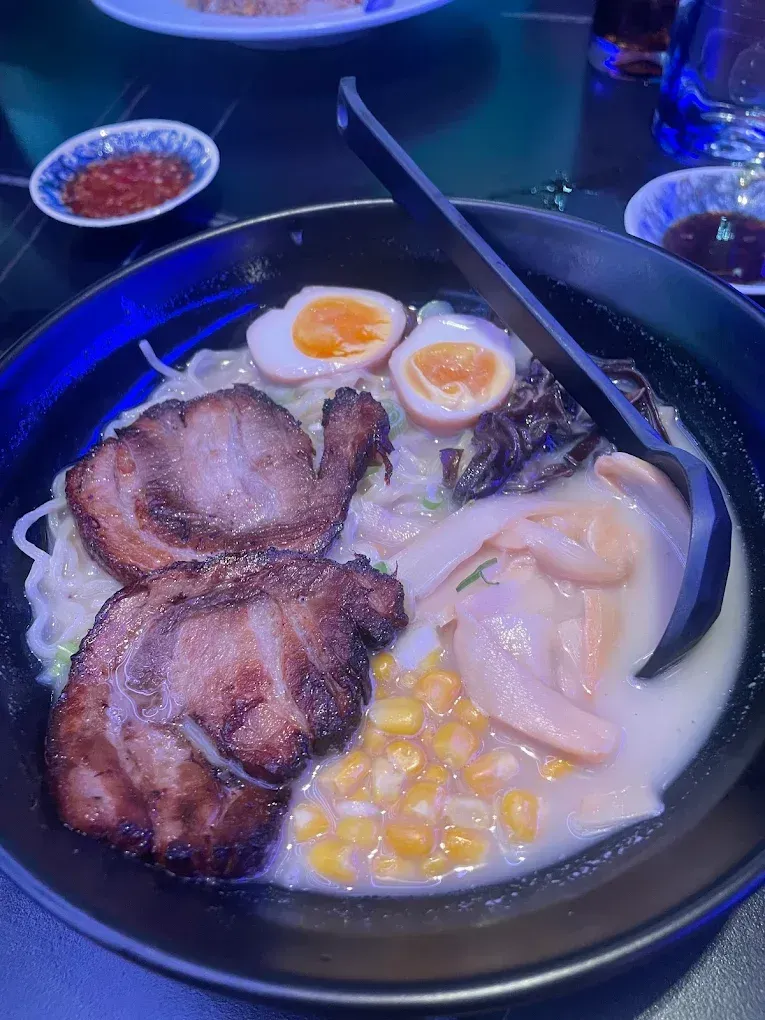
When the bowl arrives, you'll see that the noodles remain distinct and springy, the broth is steaming but not violently boiling, and toppings like soft-boiled eggs, sliced pork, or vegetables are arranged so they don't sink to the bottom. Miso soup should taste savory and slightly salty without overwhelming the palate, and the tofu cubes should hold their shape rather than breaking apart. Yakisoba noodles will show some browned edges where they contacted the hot pan, and the sauce clings to the noodles rather than pooling at the bottom of the plate.
Broth quality depends on simmering time and ingredient selection—pork bone broth requires hours of cooking to extract collagen and flavor, while vegetable or chicken broths develop faster but with different richness levels. Clear soups use dashi, a seaweed and fish-based stock, which provides umami without the cloudiness of boiled bones or miso paste.
What Diners Ask About Noodle Dishes
Questions about noodle types, broth intensity, and portion sizes come up frequently from guests comparing different soup and noodle preparations or ordering for the first time.
What is the difference between ramen and udon noodles?
Ramen noodles are thin, springy, and typically wheat-based with a slight chew, while udon noodles are thick, soft, and have a more neutral flavor that absorbs broth differently.
How spicy are the ramen bowls?
Spice levels vary by preparation and can usually be adjusted when ordering—some broths are mild and savory, while others include chili oil or spicy miso paste that adds heat, so clarifying preferences in Orlando ensures the dish matches your tolerance.
Why does yakisoba taste different from ramen even though both use noodles?
Yakisoba noodles are stir-fried with sauce and vegetables rather than served in broth, so they develop a charred, slightly sweet flavor from caramelization instead of absorbing liquid.
Can I add extra protein or vegetables to a noodle soup?
Most ramen and udon bowls allow additions like extra pork, shrimp, or soft-boiled eggs, though adding too many toppings can crowd the bowl and make it difficult to mix the broth and noodles properly.
How should I eat noodle soup to avoid it getting cold or overcooked?
Eating noodles shortly after the bowl arrives prevents them from absorbing too much broth and becoming soft, and sipping broth between bites keeps the temperature consistent throughout the meal.
Bayridge Sushi prepares noodle soups and stir-fried noodle dishes fresh to order, so modifications for spice level, protein type, or vegetarian broth options can be requested when placing your order. Contact the restaurant to confirm daily ramen or udon specials and discuss customization options for larger parties.