Finishes That Balance Savory Courses
Desserts in Orlando for ending sushi meals, adding sweetness to group orders, and trying Japanese-inspired treats
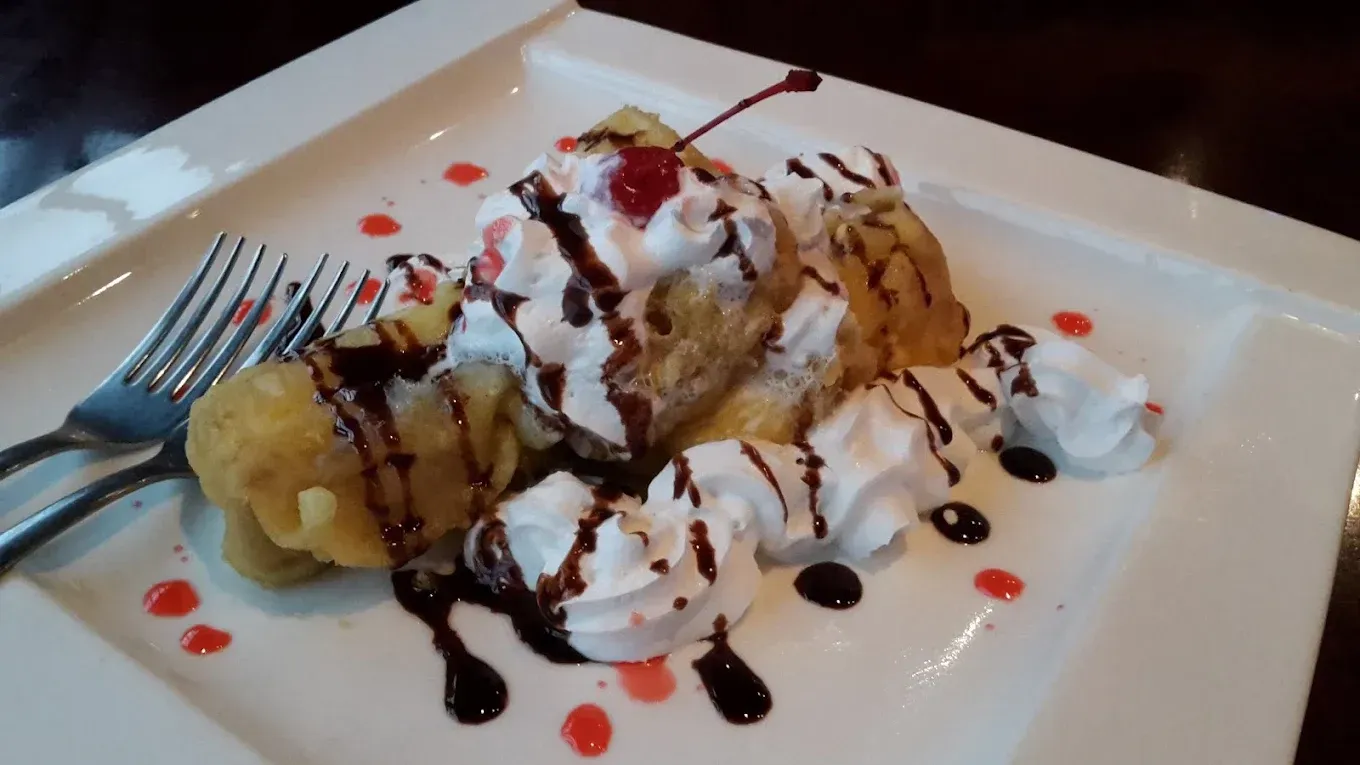
Mochi ice cream and tempura cheesecake provide a textural shift after a meal built on rice and fish, introducing cold, sweet, or fried elements that reset your palate without requiring heavy cream or chocolate. Bayridge Sushi serves mochi balls filled with ice cream in flavors like green tea, mango, and strawberry, each one wrapped in a thin rice dough that stays pliable even when frozen. Tempura cheesecake coats a wedge of cheesecake in the same batter used for shrimp, frying it until the outside crisps while the inside stays cool and creamy. Fried ice cream takes a scoop, freezes it solid, then dips it in panko before a quick fry that creates a warm shell around a still-frozen center.
These desserts work because they don't add heaviness after a meal that already included rice, seaweed, and soy-based sauces. Mochi ice cream portions are small enough to split or finish in three bites, and the rice dough adds chew without sweetness, letting the ice cream flavor dominate. Green tea desserts lean slightly bitter, which cuts through lingering saltiness from soy sauce or pickled ginger better than a purely sugary option would.
Add a dessert to your sushi order to complete the meal with a contrasting flavor profile.
How Japanese Desserts Differ From Western Styles
Japanese-style desserts prioritize texture contrast and moderate sweetness over richness, using ingredients like mochi, red bean, and matcha that don't coat your mouth the way buttercream or ganache does. Tempura batter on cheesecake fries at a high temperature for less than a minute, creating a shell that shatters when you cut into it but doesn't soak oil into the cheesecake itself. The result is a dessert that feels indulgent because of the crisp-to-creamy contrast, not because of added sugar or fat.
After eating fried ice cream, you taste the temperature difference first—hot panko crust against frozen vanilla or green tea ice cream—and the textures separate cleanly rather than melting into each other. Mochi wraps stay chewy even at freezing temperatures because the rice flour doesn't harden the way wheat-based doughs do, giving you something to work through with your teeth while the ice cream melts. This texture focus makes Japanese desserts easier to finish after a full meal, since they don't add the heaviness that comes with dense cake or custard.
Green tea desserts at Bayridge Sushi include matcha powder whisked into ice cream or dusted over mochi, adding an earthy bitterness that balances the sugar and works especially well after salty or umami-heavy dishes. These desserts are plated simply, without sauces or garnishes that compete for attention, keeping the focus on the core texture and temperature contrasts.
Common Dessert Questions
Diners in Kissimmee often ask whether Japanese desserts are less sweet than American options or how quickly fried items need to be eaten. These answers clarify what to expect and how to time your dessert order.
What flavors does mochi ice cream come in?
Mochi ice cream at Bayridge Sushi includes green tea, mango, strawberry, and vanilla, each wrapped in a thin rice dough that stays soft and chewy even when the ice cream inside is frozen solid.
How is tempura cheesecake prepared?
Tempura cheesecake dips a cold wedge of cheesecake in a light batter, then fries it briefly at high heat so the exterior crisps while the interior stays cool and creamy, creating a hot-cold contrast when you cut into it.
Do green tea desserts taste bitter?
Green tea desserts have a slightly earthy, bitter edge that balances their sweetness, making them less sugary than vanilla or chocolate options and better suited for ending a savory meal without overwhelming your palate.
How quickly should I eat fried ice cream after it's served?
Fried ice cream is best eaten within five minutes of frying, before the panko crust softens from the melting ice cream inside or the temperature contrast diminishes in Orlando's warm climate.
Can I order dessert separately or does it come with meals?
Desserts at Bayridge Sushi are ordered separately and can be added to any meal or picked up on their own, with no minimum purchase required to try mochi or tempura items.
Bayridge Sushi prepares desserts that emphasize texture and temperature over heavy sweetness, offering a lighter finish to sushi and rice-based meals. Order dessert at the same time as your entree to ensure it arrives when you're ready for it.