
Raw Fish Preparation That Respects the Cut
Nigiri & Sashimi in Orlando for diners who evaluate fish by texture, temperature, and knife precision
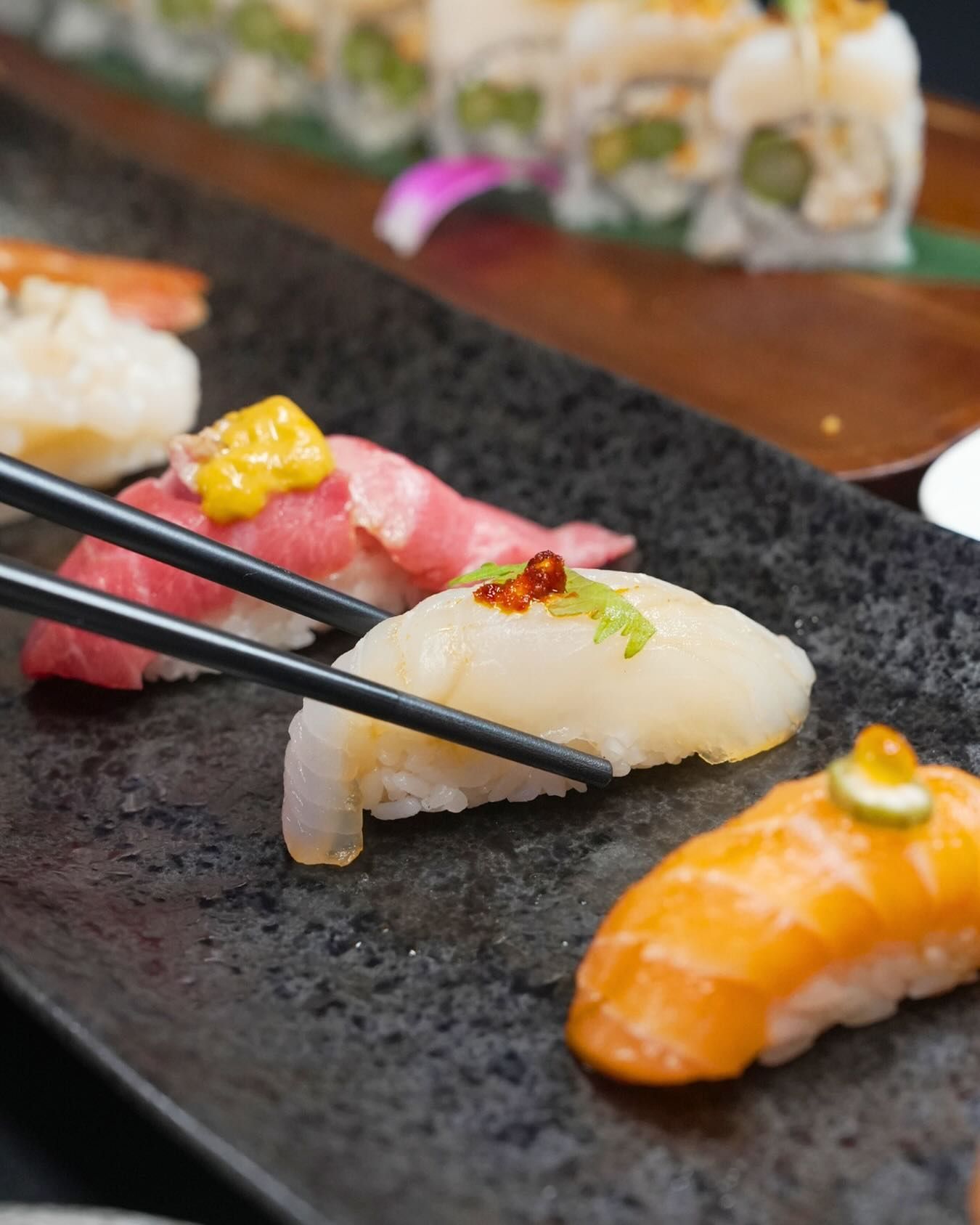
Thinly sliced yellowtail should separate cleanly with chopsticks and show a slight sheen without appearing dry or dull, which indicates how recently it was cut and how carefully it's been stored. Nigiri places a single slice of raw fish over hand-formed rice, while sashimi presents the fish alone, so both preparations rely entirely on sourcing, knife work, and timing. Bayridge Sushi serves premium selections including tuna, salmon, and yellowtail as individual pieces or chef's choice assortments in Orlando, where the fish quality becomes immediately obvious in the first bite since there are no sauces or cooked elements to mask flavor or texture.
Chef's choice assortments allow the kitchen to feature the best available fish on a given day, typically including a mix of lean and fatty cuts with varying textures. The rice beneath nigiri is shaped by hand to a density that holds together but compresses slightly when you bite, and it's seasoned to complement rather than compete with the fish.
Request a chef's selection to sample multiple fish varieties in a single order.
How Knife Technique and Timing Affect Raw Fish
The direction and angle of each cut determine whether sashimi feels tender or chewy. Cutting against the grain shortens muscle fibers, which makes the fish easier to chew, while cutting with the grain leaves longer fibers that require more effort to break down. Each fish has a different grain pattern, so the same slicing angle doesn't work for tuna, salmon, and yellowtail.
You'll notice that properly sliced sashimi separates easily and doesn't require sawing with your teeth, and the surface remains moist without appearing wet or slimy. Nigiri rice should be slightly warm, not cold, which creates a subtle temperature contrast with the chilled fish. If the rice is too cold, it hardens and loses the slight sweetness from the vinegar seasoning.
Premium fish selections often include fattier cuts like toro (tuna belly) or salmon belly, which have higher oil content and softer texture compared to standard cuts. The fish should never smell overly oceanic or fishy—fresh raw fish smells clean and faintly sweet, with any strong odor indicating age or improper handling.
Answers to Frequent Sashimi and Nigiri Questions
Diners ordering raw fish for the first time or evaluating quality often ask about freshness indicators, portion expectations, and how nigiri differs from sashimi in practical terms.
What is the difference between nigiri and sashimi in terms of what I receive?
Nigiri includes a slice of fish over a small mound of rice, while sashimi is only the sliced fish with no rice, so sashimi portions typically include more pieces since there's no rice to add volume.
How can I tell if the fish is fresh when it arrives?
Fresh fish appears glossy, separates cleanly without tearing, and has no strong odor—dull color, ragged edges, or any ammonia smell indicate the fish is past its optimal serving window.
Why does the rice temperature matter in nigiri?
Warm rice enhances the vinegar seasoning and creates a textural contrast with cold fish, while cold rice tastes flat and feels dense, which overwhelms the delicate fish flavor.
What does "chef's choice" mean for a sashimi assortment?
The kitchen selects the best available fish that day based on delivery quality and freshness, which often provides better variety and value than ordering individual pieces, particularly in Orlando where certain fish types arrive on different delivery schedules.
How should I store leftover sashimi or nigiri if I order takeout?
Raw fish should be consumed within two hours of preparation if left at room temperature, or refrigerated immediately and eaten within 24 hours—nigiri rice hardens when chilled, so sashimi-only orders travel and store better for later consumption.
Bayridge Sushi prepares nigiri and sashimi to order rather than pre-slicing fish hours in advance, which maintains texture and moisture until plating. Call ahead to confirm availability of specific premium fish selections or to arrange larger chef's choice platters for group orders.