Grilled and Stir-Fried Plates That Don't Require Raw Fish
Kitchen Entrées (Hot Dishes) in Orlando for diners who prefer cooked proteins with traditional Japanese seasoning
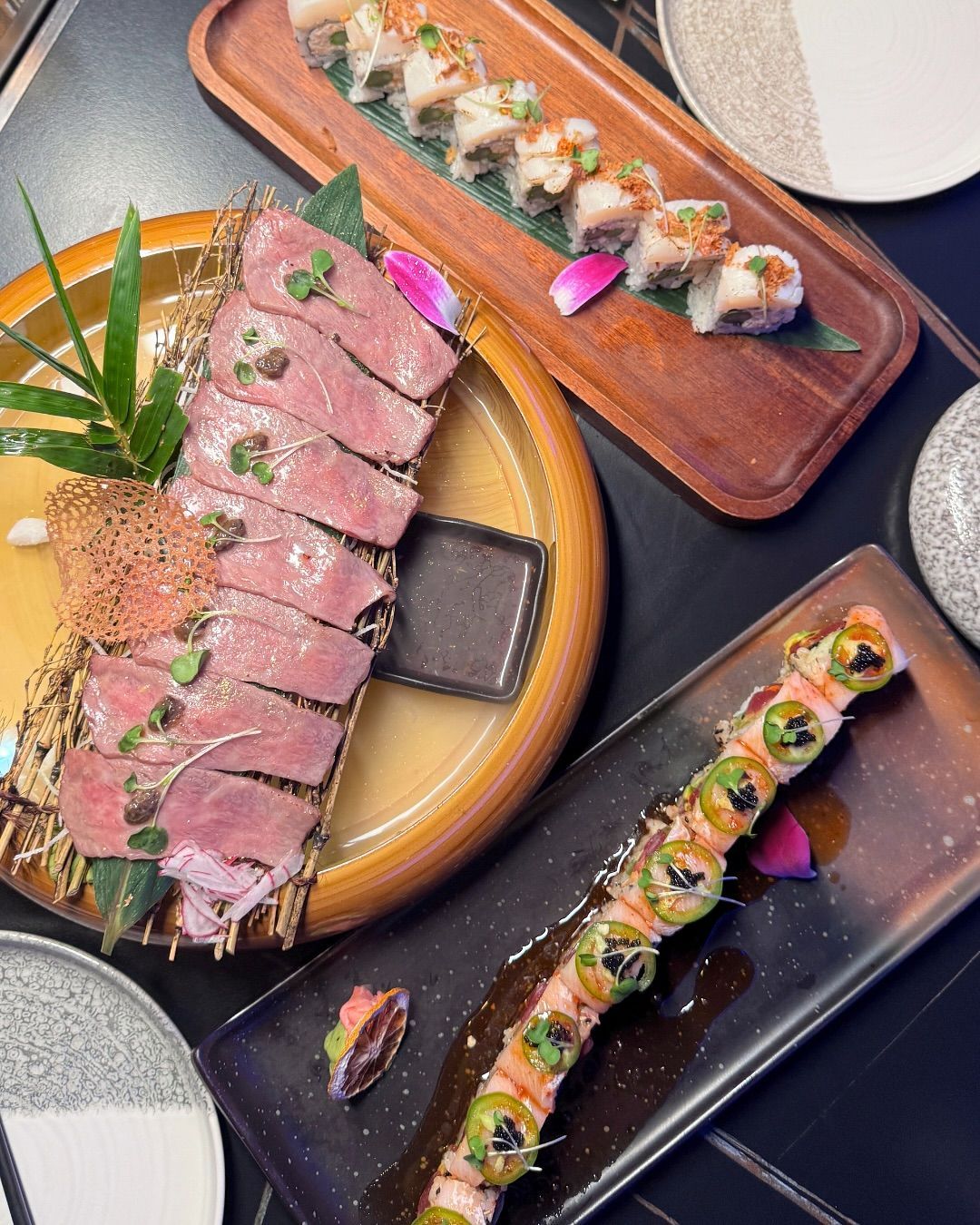
Hibachi chicken arrives with a slight char on the surface where direct heat caramelized the marinade, and the interior remains moist rather than dry or stringy, which depends on heat control and timing during the cooking process. Bayridge Sushi prepares hibachi options with chicken, steak, and shrimp alongside teriyaki dishes, tempura plates, and stir-fried entrées in Orlando for guests who want cooked alternatives to raw fish. Each preparation uses different heat levels and cooking methods—hibachi involves high-heat grilling, teriyaki uses a sweetened soy glaze applied during cooking, and tempura requires precise oil temperature to achieve a light, crispy batter without excessive grease.
Teriyaki sauce is applied near the end of cooking so it thickens slightly and coats the protein without burning or becoming sticky. Tempura batter should be mixed cold and used immediately; if it sits too long or warms up, the coating becomes dense instead of light and crispy. Stir-fried entrées cook quickly over high heat to sear vegetables and proteins while keeping them tender.
Browse the full hot entrée menu to compare preparation styles and protein options before ordering.
Why Cooking Method Changes the Dish Entirely
Hibachi grilling exposes proteins to direct, high heat, which creates a seared exterior and smoky flavor that teriyaki-style cooking doesn't produce. Tempura depends on oil temperature—if the oil is too cool, the batter absorbs grease and turns soggy; if too hot, the exterior burns before the interior cooks. The batter should bubble vigorously when ingredients enter the oil, then drain on a rack rather than paper towels to prevent steam from softening the coating.
After cooking, you'll notice that properly grilled hibachi proteins show grill marks and a slightly charred surface, teriyaki dishes have a glossy coating that clings to the meat without pooling on the plate, and tempura items feel light and crisp when you pick them up. Stir-fried dishes should include vegetables that retain some bite rather than turning mushy, which requires keeping the wok or pan hot enough to cook quickly without steaming the ingredients.
Each entrée typically includes rice or noodles as a base, with portion sizes designed for individual servings rather than shared plates. Some dishes come with miso soup or a small salad, while others focus solely on the main protein and starch without additional sides.
Common Hot Dish Questions
Guests unfamiliar with Japanese hot dishes or comparing preparation methods often ask about flavor profiles, portion expectations, and ingredient customization before placing an order.
What is the main difference between hibachi and teriyaki?
Hibachi refers to grilling over high heat with minimal sauce, resulting in a charred, smoky flavor, while teriyaki involves cooking with a sweet soy-based glaze that caramelizes onto the protein during the process.
How is tempura batter different from regular fried coatings?
Tempura batter uses cold water and minimal mixing to create a light, airy coating that crisps without becoming heavy, unlike thicker batters that coat ingredients more densely and absorb more oil.
Can I substitute proteins in an entrée?
Most entrées allow substitutions between chicken, steak, and shrimp, though some preparations work better with specific proteins due to cooking time differences—shrimp cooks much faster than steak, so switching may affect doneness control.
Why do stir-fried vegetables sometimes turn out soggy?
Overcrowding the pan or cooking over insufficient heat causes vegetables to steam rather than sear, which releases moisture and prevents browning—proper stir-frying in Orlando kitchens requires high heat and small batch sizes to maintain texture.
What comes with a standard hibachi or teriyaki plate?
Most entrées include steamed rice, a portion of mixed vegetables, and the main protein, though specific sides vary by dish—some include soup or salad, while others focus solely on the entrée components.
Bayridge Sushi prepares hot dishes to order, so modifications for dietary preferences or spice levels can be accommodated when noted at the time of ordering. Reach out directly to confirm ingredient availability or discuss specific preparation requests for larger group orders.